



Black Rebellion: Five Slave Revolts x10
$179.00
$110.00
Black Rebellion: Five Slave Revolts
$17.95
$12.95


Sale


Product details
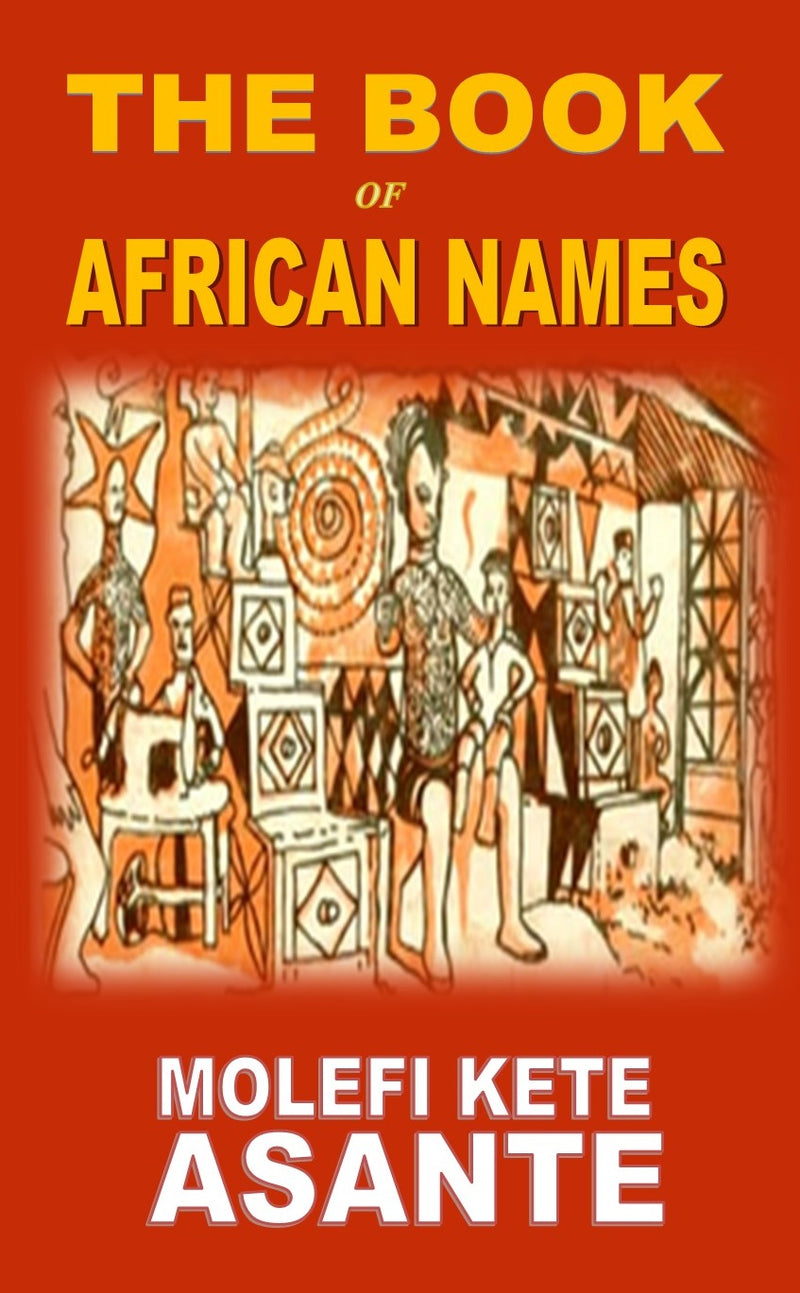
The Book of African Names (X10)
The growing usage of African names in the United States makes this book appealing for those who want to understand the meaning, proper usage and significance of African names. Asante provides the historical rationale and the proper translations and usage...
$150.00
$90.00
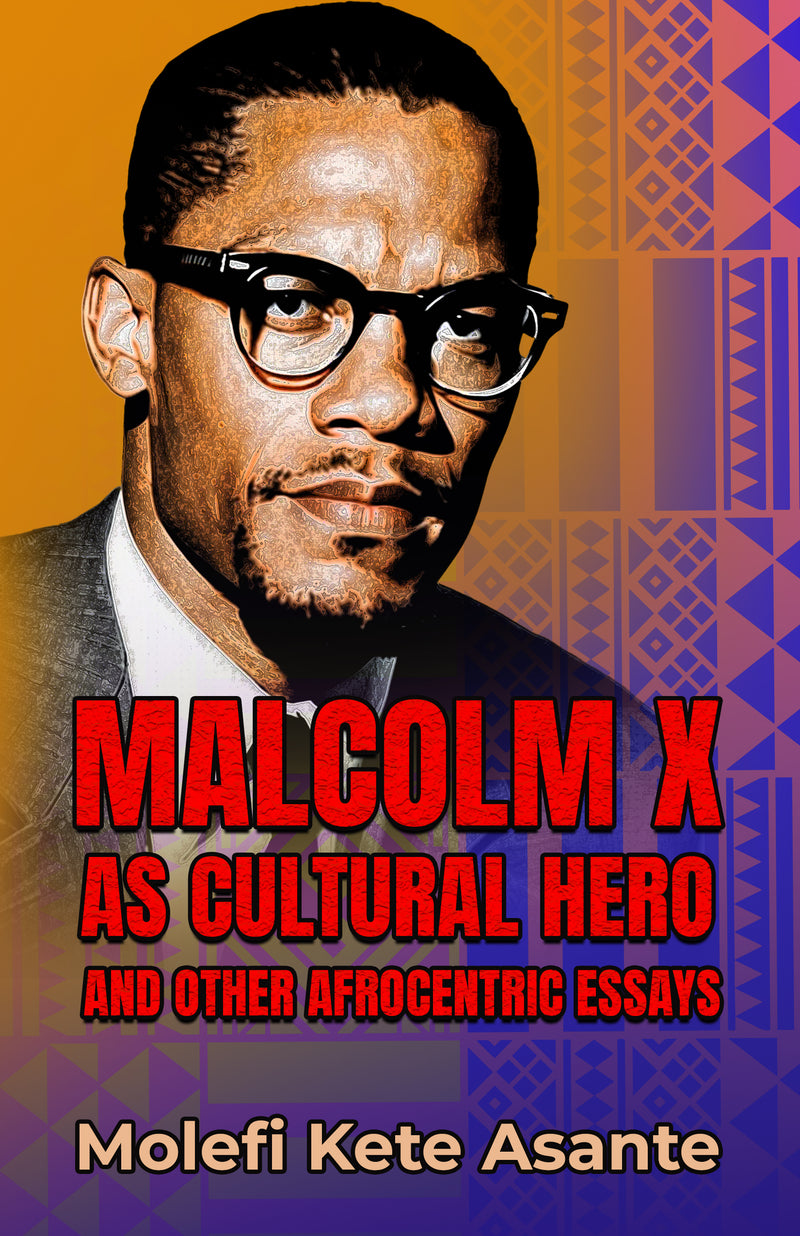
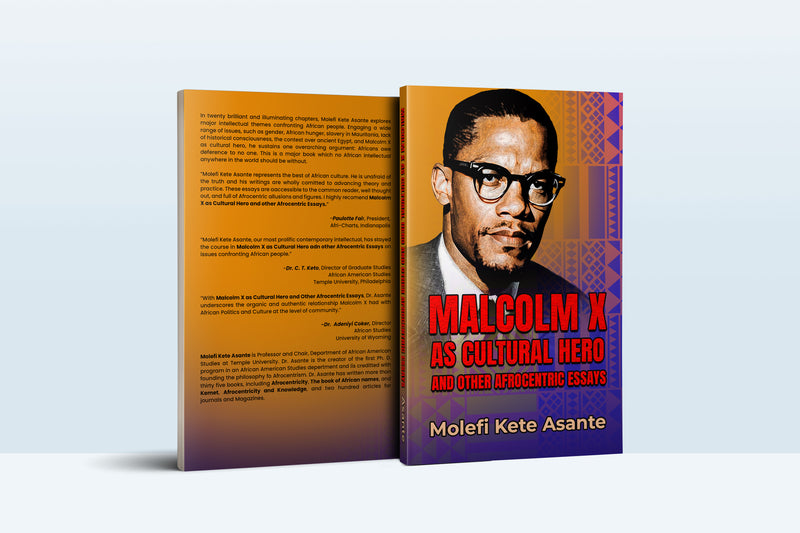
Malcolm X As Cultural Hero and Other Afrocentric Essays
Publisher : BLACK LEGACY PRESS
September 1, 2024
Paperback : 191 pages
ISBN-13 : 9781636521732
$29.95
$15.00
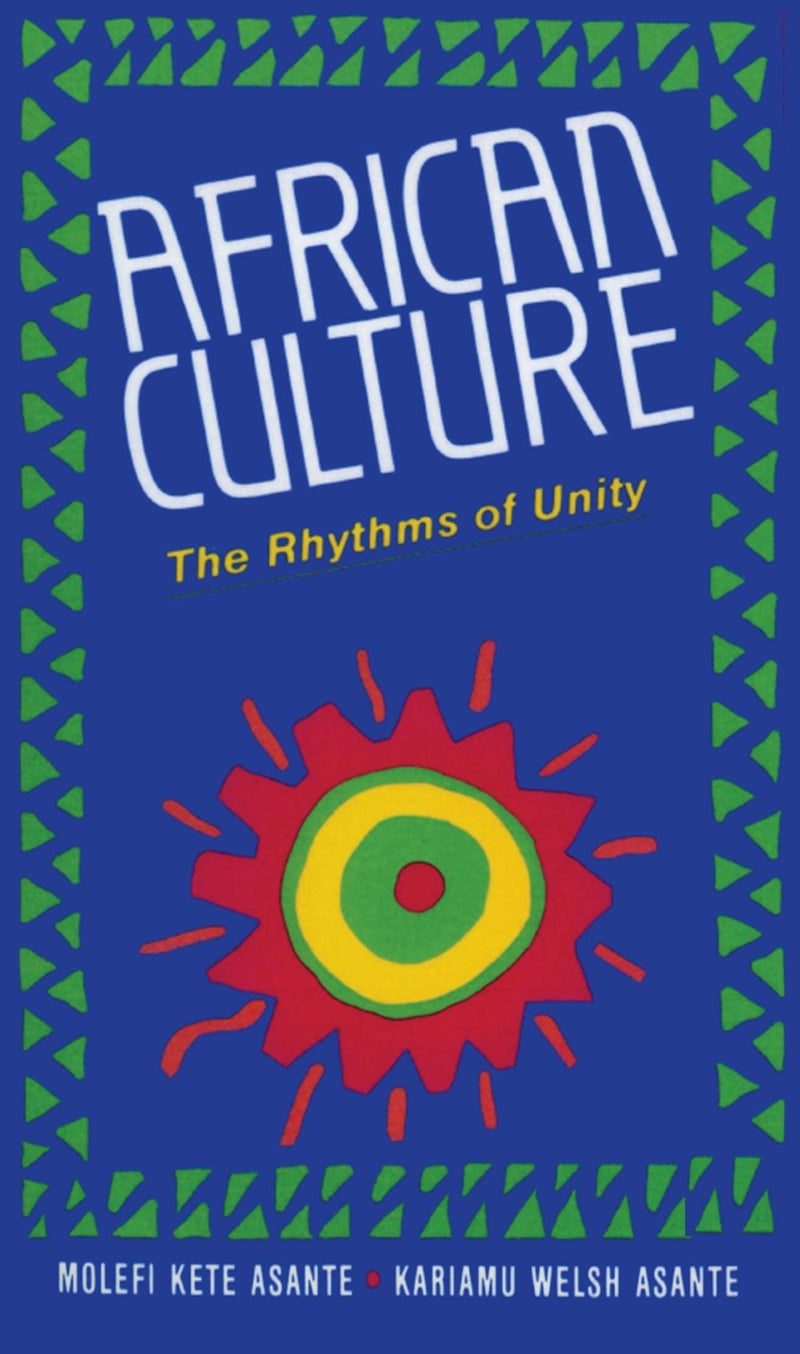
African Culture: The Rhythms of Unity
Africa, according to the contributors to this anthology, is "one cultural river with numerous tributaries articulated by their specific responses to history and the environment." They concentrate on the similarities in behavior, perceptions, and technologies of African culture that tie...
$21.95
$14.95


The Painful Demise of Eurocentrism: An Afrocentric Response to Critics BLP EDITION
Dr. Asante combines cultural studies, linguistics, historiography, Kemetology, and Africology in this brilliant response to the critics of Afrocentricity. He demonstrates that the principal problem with the critics of Afrocentrics is their disbelief in the agency of Africans ¡V that...
$29.95
$12.00

The Complete Journal of Negro History Volume 1-8 + Negro Journalism book bonus
The complete eight volumes designed and published by Black Legacy Press. Perfect for your library or as a gift. Plus a bonus edition of The Negro Journalism. 9 books total.
$240.00
$200.00

Malcolm in the Desert: Wisdom from the Spiritual Transformation of Malcolm X
When Malcolm X left the Nation of Islam and set out on a pilgrimage to Mecca in 1964, he did more than cross geographic borders–he transformed his vision of faith, justice, and freedom. In Malcolm in the Desert, Ilyasah Shabazz...
$29.95
$18.00

A Voice from the South
A Voice from the South by Anna J. Cooper is a groundbreaking collection of essays and reflections advocating for the education, empowerment, and social advancement of African American women in the late nineteenth and early twentieth centuries. Cooper addresses issues...
$18.00
$12.00

Iola Leroy, Or Shadows Uplifted
Iola Leroy, Or Shadows Uplifted by Frances E. W. Harper is a landmark novel of African American literature that explores themes of identity, freedom, education, and racial uplift in the aftermath of the Civil War. The story follows Iola Leroy, a...
$15.00
$9.00