


The Anglo-Zulu War: The History and Legacy of the British Empire's Conflict with the Zulu Kingdom in South Africa
By: Charles River
ISBN: 9798616105806
*Includes pictures
*Includes excerpts of contemporary accounts
*Includes a bibliography for further reading
“He is Shaka the unshakeable,Thunderer-while-sitting, son of MenziHe is the bird that preys on other birds,The battle-axe that excels over other battle-axes in sharpness,He is the long-strided pursuer, son of Ndaba,Who pursued the sun and the moon.He is the great hubbub like the rocks of NkandlaWhere elephants take shelterWhen the heavens frown...” - a Zulu song
The modern history of Africa was, until very recently, written on behalf of the indigenous races by the white man, who had forcefully entered the continent during a particularly hubristic and dynamic phase of European history. In 1884, Prince Otto von Bismarck, the German chancellor, brought the plenipotentiaries of all major powers of Europe together, to deal with Africa's colonization in such a manner as to avoid provocation of war. This event—known as the Berlin Conference of 1884-1885—galvanized a phenomenon that came to be known as the Scramble for Africa. The conference established two fundamental rules for European seizure of Africa. The first of these was that no recognition of annexation would granted without evidence of a practical occupation, and the second, that a practical occupation would be deemed unlawful without a formal appeal for protection made on behalf of a territory by its leader, a plea that must be committed to paper in the form of a legal treaty.
This began a rush, spearheaded mainly by European commercial interests in the form of Chartered Companies, to penetrate the African interior and woo its leadership with guns, trinkets and alcohol, and having thus obtained their marks or seals upon spurious treaties, begin establishing boundaries of future European African colonies. The ease with which this was achieved was due to the fact that, at that point, traditional African leadership was disunited, and the people had just staggered back from centuries of concussion inflicted by the slave trade. Thus, to usurp authority, to intimidate an already broken society, and to play one leader against the other was a diplomatic task so childishly simple, the matter was wrapped up, for the most part, in less than a decade.
There were some exceptions to this, however, and the most notable was the Zulu Kingdom, a centralized monarchy of enormous military prowess that would require a full-fledged war for the British to pacify. At the height of its power in the southern part of Africa, the Zulu could rely on an army of 40,000 warriors, presenting a formidable obstacle to the designs of the British, who eventually engaged in a full-scale conflict with the Zulu due to their own geopolitical concerns.
When the fighting started at the beginning of 1879, British military leader Lord Chelmsford assured, “'If I am called upon to conduct operations against them, I shall strive to be in a position to show them how hopelessly inferior they are to us in fighting power, altho' numerically stronger.” Less than 10 days later, Chelmsford had lost nearly 33% of his fighting force at the Battle of Isandlwana. From that point forward, the British began to take the Zulu more seriously, and over the next half year, they subdued the Zulu nation.
The military conflict helped immortalize the Zulu in the minds of Westerners, but their history was far from finished in 1879. The Zulu persevered, only to suffer under the depredations of South Africa’s apartheid system, but they also outlasted that, and even today they remain the largest ethnic group in South Africa. The Anglo-Zulu War: The History and Legacy of the British Empire’s Conflict with the Zulu Kingdom in South Africa examines the rise of the Zulu Kingdom, how it came into contact with the British, and the famous war. Along with pictures depicting important people, places, and events, you will learn about the Anglo-Zulu War like never before.
*Includes excerpts of contemporary accounts
*Includes a bibliography for further reading
“He is Shaka the unshakeable,Thunderer-while-sitting, son of MenziHe is the bird that preys on other birds,The battle-axe that excels over other battle-axes in sharpness,He is the long-strided pursuer, son of Ndaba,Who pursued the sun and the moon.He is the great hubbub like the rocks of NkandlaWhere elephants take shelterWhen the heavens frown...” - a Zulu song
The modern history of Africa was, until very recently, written on behalf of the indigenous races by the white man, who had forcefully entered the continent during a particularly hubristic and dynamic phase of European history. In 1884, Prince Otto von Bismarck, the German chancellor, brought the plenipotentiaries of all major powers of Europe together, to deal with Africa's colonization in such a manner as to avoid provocation of war. This event—known as the Berlin Conference of 1884-1885—galvanized a phenomenon that came to be known as the Scramble for Africa. The conference established two fundamental rules for European seizure of Africa. The first of these was that no recognition of annexation would granted without evidence of a practical occupation, and the second, that a practical occupation would be deemed unlawful without a formal appeal for protection made on behalf of a territory by its leader, a plea that must be committed to paper in the form of a legal treaty.
This began a rush, spearheaded mainly by European commercial interests in the form of Chartered Companies, to penetrate the African interior and woo its leadership with guns, trinkets and alcohol, and having thus obtained their marks or seals upon spurious treaties, begin establishing boundaries of future European African colonies. The ease with which this was achieved was due to the fact that, at that point, traditional African leadership was disunited, and the people had just staggered back from centuries of concussion inflicted by the slave trade. Thus, to usurp authority, to intimidate an already broken society, and to play one leader against the other was a diplomatic task so childishly simple, the matter was wrapped up, for the most part, in less than a decade.
There were some exceptions to this, however, and the most notable was the Zulu Kingdom, a centralized monarchy of enormous military prowess that would require a full-fledged war for the British to pacify. At the height of its power in the southern part of Africa, the Zulu could rely on an army of 40,000 warriors, presenting a formidable obstacle to the designs of the British, who eventually engaged in a full-scale conflict with the Zulu due to their own geopolitical concerns.
When the fighting started at the beginning of 1879, British military leader Lord Chelmsford assured, “'If I am called upon to conduct operations against them, I shall strive to be in a position to show them how hopelessly inferior they are to us in fighting power, altho' numerically stronger.” Less than 10 days later, Chelmsford had lost nearly 33% of his fighting force at the Battle of Isandlwana. From that point forward, the British began to take the Zulu more seriously, and over the next half year, they subdued the Zulu nation.
The military conflict helped immortalize the Zulu in the minds of Westerners, but their history was far from finished in 1879. The Zulu persevered, only to suffer under the depredations of South Africa’s apartheid system, but they also outlasted that, and even today they remain the largest ethnic group in South Africa. The Anglo-Zulu War: The History and Legacy of the British Empire’s Conflict with the Zulu Kingdom in South Africa examines the rise of the Zulu Kingdom, how it came into contact with the British, and the famous war. Along with pictures depicting important people, places, and events, you will learn about the Anglo-Zulu War like never before.
Related Products
GOLDEN AGE OF THE MOOR BY IVAN VAN SERTIMA AND RUNOKO RASHIDI
UNITED BLACK LIBRARY EDITIONSISBN: 9781943138494PAPERBACK: 480 PAGES
$24.95
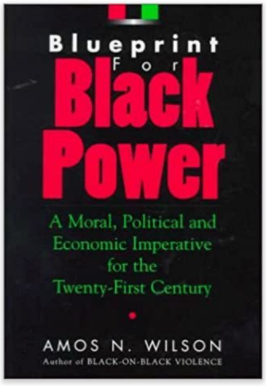
Blueprint for Black Power: A Moral, Political, and Economic Imperative for the Twenty-First Century / Paperback
Paperback: 889 pages / paperback
ISBN-13: 9781879164079
ISBN: 1879164078
$52.00
$38.00
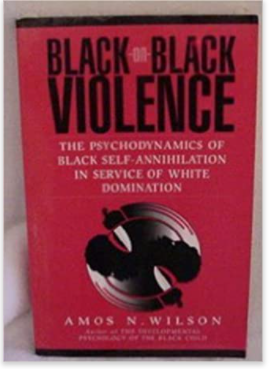
Black-On-Black Violence: The Psychodynamics of Black Self-Annihilation in Service of White Domination
Black-on-Black Violence: The Psychodynamics of Black Self-Annihilation in Service of White Domination represents a distinct milestone in criminology and Afrikana Studies. Its explanatory perspectives on the sociopsychological and politicoeconomic causes of Black-on-Black violence are exceptionally insightful, incisive and iconoclastic. The...
$21.00
$13.00
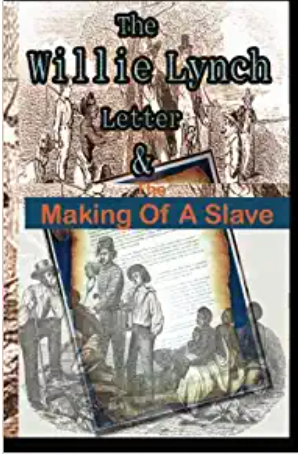
The Willie Lynch Letter And the Making of A Slave (Paperback)
Publisher : African Tree Press
Paperback : 28 pages
ISBN-10 : 1592323065
$5.95
$3.95
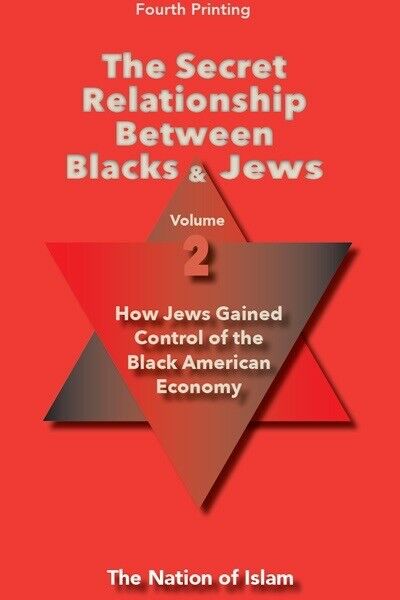
THE SECRET RELATIONSHIP BETWEEN BLACKS AND JEWS VOL. 2
The Secret Relationship Between Blacks and Jews is a three-volume work of pseudo-scholarship, published by the Nation of Islam. The first volume, which was released in 1991, asserts that Jews dominated the Atlantic slave trade.The Secret Relationship has been widely criticized for being antisemitic and for failing to provide an...
$48.00
$39.95
They Lived Before Adam (Prehistoric Origins of the Igbo The Never Been Ruled) Paperback
The Sensational Book of the Century... They Lived Before Adam delves deep into the valleys of time and showcases the history of the Igbo people Nigeria who have Never been ruled. **Please note: This is an import book and...
$120.00
$74.95
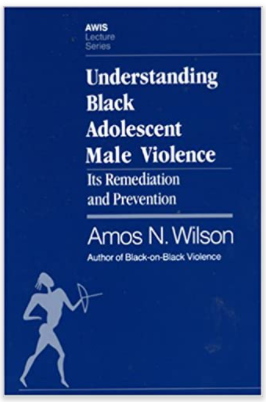
Understanding Black Adolescent Male Violence: Its Remediation and Prevention
Paperback: 92 pages
ISBN-13: 9781879164031
$16.00
$10.00
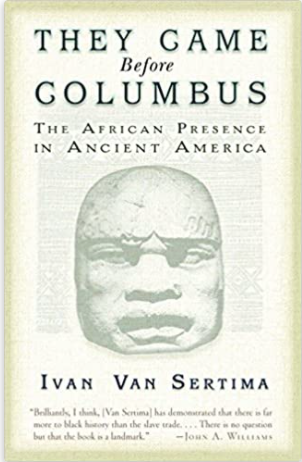
THEY CAME BEFORE COLUMBUS, AFRICAN PRESENCE IN THE AMERICAS
Publisher : Random House Trade Paperbacks; Reprint edition
September 23, 2003
Paperback : 336 pages
ISBN-13 : 9780812968170
$23.00
$16.00