



Annals of Africa's Saints and Leviathans: Leviathans
ISBN: 9798262295517

The title “Annals of Africa’s Saints and Leviathans” metaphorically suggests a juxtaposition between virtuous people (saints) and oppressive rulers (leviathans) in Africa. It implies a historical narrative that chronicles the lives of those who have fought for justice, freedom, and equality against the backdrop of tyrannical governance and systemic oppression. This duality reflects the continent’s complex socio-political landscape, where some figures are revered for their contributions to humanity while others are condemned for their abuses of power.
The term “saints” traditionally refers to individuals recognized for their holiness and virtue within various religious contexts. However, when applied to figures who may not fit this conventional definition
—such as freedom fighters, state leaders, or human rights advocates—the use of the word can convey a multifaceted message.
In contemporary discourse, the term “saint” can be interpreted more broadly to include those who exhibit extraordinary moral courage, selflessness, and commitment to justice. This expanded definition allows for a more inclusive recognition of individuals who have made significant contributions to society, even if they do not meet traditional religious criteria.
By referring to freedom fighters and human rights advocates as “saints,” the message emphasizes their moral courage and willingness to sacrifice for the greater good. It suggests that these individuals embody virtues such as bravery, compassion, and dedication to justice—qualities often associated with sainthood.
Using “saints” in this broader context challenges readers to reconsider conventional narratives about heroism and virtue. It invites them to recognize that sanctity can exist outside of religious frameworks and that secular figures can also inspire reverence and admiration.
This terminology encourages readers to reflect on their values and what it means to be a “saint” in today’s world. It prompts discussions about the qualities we admire in leaders and activists, urging society to acknowledge diverse forms of heroism that contribute positively to humanity.
In the context of the present poetry “Saints,” represent virtuous leaders or individuals, and “Leviathans,” symbolize oppressive or tyrannical rulers. To analyse this metaphorically in the context of bad leadership and tyranny in Africa, we can break down the components of the title.
Saints: Virtue and Leadership
In many cultures, saints are revered for their moral integrity, selflessness, and dedication to the welfare of others. They often serve as role models or symbols of hope.
The mention of “saints” could refer to historical figures in Africa who have fought against oppression, advocated for justice, or contributed positively to society.
Implicationhere is that the presence of “saints” in the title implies that there are individuals within African societies who strive for positive change and embody the ideals of good governance, ethics, and social justice.ntributions beyond traditional religious contexts.
The term “saints” traditionally refers to individuals recognized for their holiness and virtue within various religious contexts. However, when applied to figures who may not fit this conventional definition
—such as freedom fighters, state leaders, or human rights advocates—the use of the word can convey a multifaceted message.
In contemporary discourse, the term “saint” can be interpreted more broadly to include those who exhibit extraordinary moral courage, selflessness, and commitment to justice. This expanded definition allows for a more inclusive recognition of individuals who have made significant contributions to society, even if they do not meet traditional religious criteria.
By referring to freedom fighters and human rights advocates as “saints,” the message emphasizes their moral courage and willingness to sacrifice for the greater good. It suggests that these individuals embody virtues such as bravery, compassion, and dedication to justice—qualities often associated with sainthood.
Using “saints” in this broader context challenges readers to reconsider conventional narratives about heroism and virtue. It invites them to recognize that sanctity can exist outside of religious frameworks and that secular figures can also inspire reverence and admiration.
This terminology encourages readers to reflect on their values and what it means to be a “saint” in today’s world. It prompts discussions about the qualities we admire in leaders and activists, urging society to acknowledge diverse forms of heroism that contribute positively to humanity.
In the context of the present poetry “Saints,” represent virtuous leaders or individuals, and “Leviathans,” symbolize oppressive or tyrannical rulers. To analyse this metaphorically in the context of bad leadership and tyranny in Africa, we can break down the components of the title.
Saints: Virtue and Leadership
In many cultures, saints are revered for their moral integrity, selflessness, and dedication to the welfare of others. They often serve as role models or symbols of hope.
The mention of “saints” could refer to historical figures in Africa who have fought against oppression, advocated for justice, or contributed positively to society.
Implicationhere is that the presence of “saints” in the title implies that there are individuals within African societies who strive for positive change and embody the ideals of good governance, ethics, and social justice.ntributions beyond traditional religious contexts.
Related Products
Two Thousand Seasons
Paperback : 316 pages
ISBN-10 : 2911928032
ISBN-13 : 978-2911928031
$24.95
$14.95

The Unseen Hand: An Introduction to the Conspiratorial View of History
Publisher : African Tree Press
October 4, 2016
Paperback : 496 pages
ISBN-13 : 9781592328765
$25.00
$13.99
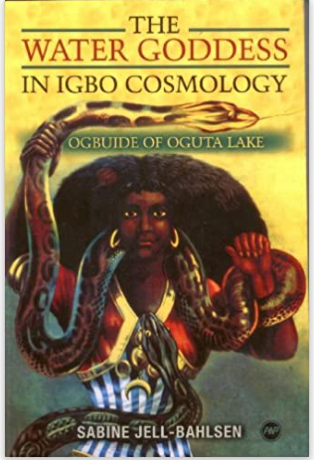
THE WATER GODDESS IN IGBO COSMOLOGY: OGBUIDE OF OGUTA LAKE
This evocative study of a water Goddess among the Igbo of Lake Oguta in southeastern Nigeria, thoroughly explores the rituals, beliefs and social organization associated with rituals of women's power. A form of Mammy Wata found through coastal Western Africa...
$38.00

The Tricknology of the Enemy: Challenging The Man
Publisher : African Tree Press (April 9, 2014)
Paperback : 32 pages
ISBN-13 : 9781592321933
$10.00
$6.00
THE SOURCE OF SELF-REGARD: SELECTED ESSAYS, SPEECHES, AND MEDITATIONS
These pages give us her searing prayer for the dead of 9/11, her Nobel lecture on the power of language, her searching meditation on Martin Luther King Jr., her heart-wrenching eulogy for James Baldwin. She looks deeply into the fault...
$21.00
$18.00
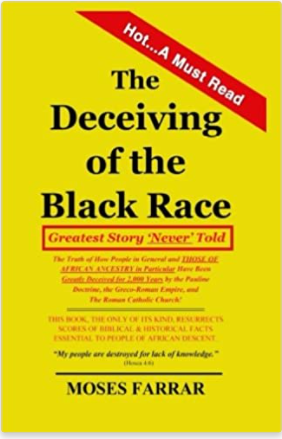
The Deceiving of the Black Race: Greatest Story 'Never' Told
Publisher : African Tree Press (November 20, 2016)
Paperback : 116 pages
ISBN-13 : 9781885778444
$20.00
$12.00
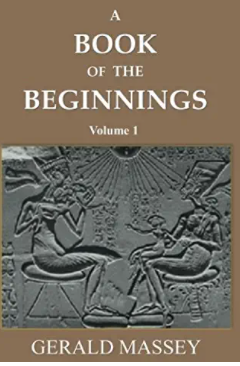
A Book of the Beginnings
After enjoying years as a popular journalist and poet, intellectual and freethinker Gerald Massey turned his vast studies in the field of Egyptology into A Book of the Beginnings, a bold statement that the origin of all civilization lays in...
$20.00
$14.00