




Sale

Archival Irruptions: Constructing Religion and Criminalizing Obeah in Eighteenth-Century Jamaica
ISBN: 9781478029038
GOLDEN AGE OF THE MOOR BY IVAN VAN SERTIMA AND RUNOKO RASHIDI
UNITED BLACK LIBRARY EDITIONSISBN: 9781943138494PAPERBACK: 480 PAGES
$24.95
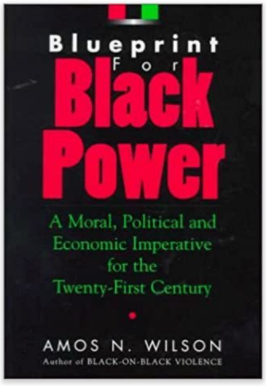

Blueprint for Black Power: A Moral, Political, and Economic Imperative for the Twenty-First Century / Paperback
Paperback: 889 pages / paperback
ISBN-13: 9781879164079
ISBN: 1879164078
$48.00
$36.00

Black-On-Black Violence: The Psychodynamics of Black Self-Annihilation in Service of White Domination
Black-on-Black Violence: The Psychodynamics of Black Self-Annihilation in Service of White Domination represents a distinct milestone in criminology and Afrikana Studies. Its explanatory perspectives on the sociopsychological and politicoeconomic causes of Black-on-Black violence are exceptionally insightful, incisive and iconoclastic. The...
$21.00
$13.00
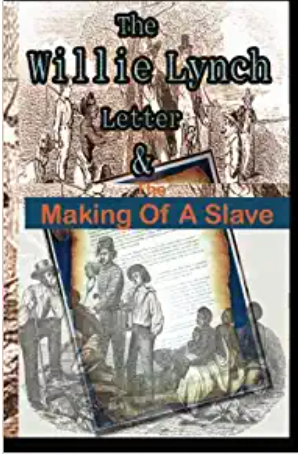
The Willie Lynch Letter And the Making of A Slave (Paperback)
Publisher : African Tree Press
Paperback : 28 pages
ISBN-10 : 1592323065
$5.95
$3.95

They Lived Before Adam (Prehistoric Origins of the Igbo The Never Been Ruled) Paperback
The Sensational Book of the Century... They Lived Before Adam delves deep into the valleys of time and showcases the history of the Igbo people Nigeria who have Never been ruled. **Please note: This is an import book and...
$120.00
$64.95
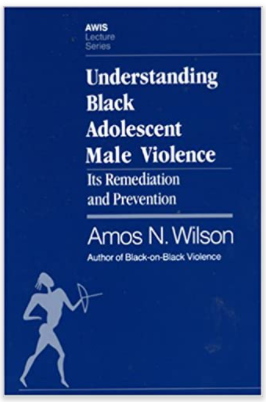
Understanding Black Adolescent Male Violence: Its Remediation and Prevention
Paperback: 92 pages
ISBN-13: 9781879164031
$16.00
$10.00
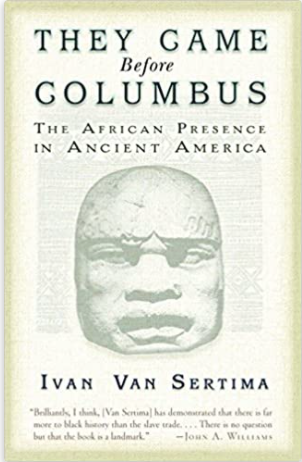
THEY CAME BEFORE COLUMBUS, AFRICAN PRESENCE IN THE AMERICAS
Publisher : Random House Trade Paperbacks; Reprint edition
September 23, 2003
Paperback : 336 pages
ISBN-13 : 9780812968170
$23.00
$16.00