



Written by Hoepner's chief of staff on the Eastern Front, this military biography study of Hoepner is available in English for the first time.
This volume in the Die Wehrmacht im Kampf series examines Erich Hoepner’s leadership of panzer formations in Poland in 1939, France in 1940, and Russia in 1941. It is written by Walter Chales de Beaulieu, a general staff officer who fought alongside Hoepner. Erich Hoepner was one of the most competent tank commanders of World War II, playing a significant role in Germany’s early successes. As the commander of the XVI Panzer Corps at the outbreak of war in 1939, Hoepner carried out the main thrust towards Warsaw. The panzer corps covered 250 kilometers and reached the outskirts of the city in only eight days.
In 1940, commanding the same formation, Hoepner fought the French Cavalry Corps in Belgium, partook in the encirclement of Allied forces near Dunkirk, and advanced southwards over the Weygand Line deep into French territory. In 1941, Hoepner became the commander of Panzer Group 4, which was the main attack formation for the advance on Leningrad. It made rapid progress to begin with, but an increasingly wide and exposed front meant that the attack gradually ground to a halt. After one final attempt to capture the city in the middle of September failed, the panzer group was redeployed to the central sector of the Eastern Front. It was there that the panzer group was to help with the push towards Moscow. In conjunction with Panzer Group 3, Hoepner’s Panzer Group 4 completed and eliminated the Vyazma pocket. Hoepner frequently felt that he was not allowed to advance on Moscow quickly enough by his superiors, yet his decision to conduct a withdrawal in January 1942 led to his dismissal.
In this book, Walter Chales de Beaulieu provides insight into Erich Hoepner’s ability as a panzer commander, painting a picture of a man who was committed to the military profession, who possessed a strong sense of responsibility, and who was confident enough to exercise his own will.
Table of Contents
During the campaign in Poland 1939
Mission of 14th Panzerkorps
Breakthrough of 14th Panzerkorps in direction of Warsaw
The 14th Panzerkorps in a blocking positionwest of Warsaw
Decision at river Buzra
Observations on Leadership. The campaign in France 1940
Time for preparations
The push on to Belgium
The main effort at Flanders
The offensive against the Weygand line
Over river Marne toriver Rhone. The push on to Leningrad 1941
Preparations and operational intents
A quick push toriver Düna
Through Lettland to the Stalin line
The setting for the offensive against the city of Leningrad
The Panzergruppe is stopped for the first time
Restructuring measures
Attack from the river Luga bridge head
Armour in front of Leningrad. The attack on to Moscow
Deployment of forces and intentions
The “Kessel” of Wjasma
The Deployment for Moscow
The “general” order
The dismissal of Colonel General Hoepner
Conclusion
This volume in the Die Wehrmacht im Kampf series examines Erich Hoepner’s leadership of panzer formations in Poland in 1939, France in 1940, and Russia in 1941. It is written by Walter Chales de Beaulieu, a general staff officer who fought alongside Hoepner. Erich Hoepner was one of the most competent tank commanders of World War II, playing a significant role in Germany’s early successes. As the commander of the XVI Panzer Corps at the outbreak of war in 1939, Hoepner carried out the main thrust towards Warsaw. The panzer corps covered 250 kilometers and reached the outskirts of the city in only eight days.
In 1940, commanding the same formation, Hoepner fought the French Cavalry Corps in Belgium, partook in the encirclement of Allied forces near Dunkirk, and advanced southwards over the Weygand Line deep into French territory. In 1941, Hoepner became the commander of Panzer Group 4, which was the main attack formation for the advance on Leningrad. It made rapid progress to begin with, but an increasingly wide and exposed front meant that the attack gradually ground to a halt. After one final attempt to capture the city in the middle of September failed, the panzer group was redeployed to the central sector of the Eastern Front. It was there that the panzer group was to help with the push towards Moscow. In conjunction with Panzer Group 3, Hoepner’s Panzer Group 4 completed and eliminated the Vyazma pocket. Hoepner frequently felt that he was not allowed to advance on Moscow quickly enough by his superiors, yet his decision to conduct a withdrawal in January 1942 led to his dismissal.
In this book, Walter Chales de Beaulieu provides insight into Erich Hoepner’s ability as a panzer commander, painting a picture of a man who was committed to the military profession, who possessed a strong sense of responsibility, and who was confident enough to exercise his own will.
Table of Contents
During the campaign in Poland 1939
Mission of 14th Panzerkorps
Breakthrough of 14th Panzerkorps in direction of Warsaw
The 14th Panzerkorps in a blocking positionwest of Warsaw
Decision at river Buzra
Observations on Leadership. The campaign in France 1940
Time for preparations
The push on to Belgium
The main effort at Flanders
The offensive against the Weygand line
Over river Marne toriver Rhone. The push on to Leningrad 1941
Preparations and operational intents
A quick push toriver Düna
Through Lettland to the Stalin line
The setting for the offensive against the city of Leningrad
The Panzergruppe is stopped for the first time
Restructuring measures
Attack from the river Luga bridge head
Armour in front of Leningrad. The attack on to Moscow
Deployment of forces and intentions
The “Kessel” of Wjasma
The Deployment for Moscow
The “general” order
The dismissal of Colonel General Hoepner
Conclusion
Related Products
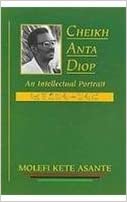
Cheikh Anta Diop: An Intellectual Portrait
This volume is a lucid and essential contribution to our critical understanding of the intellectual and practical work of Cheikh Anta Diop. Professor Asante identifies and clarifies the key components, concerns and evolutionary contours in Diopian thought, and weaves them...
$34.95
$18.95
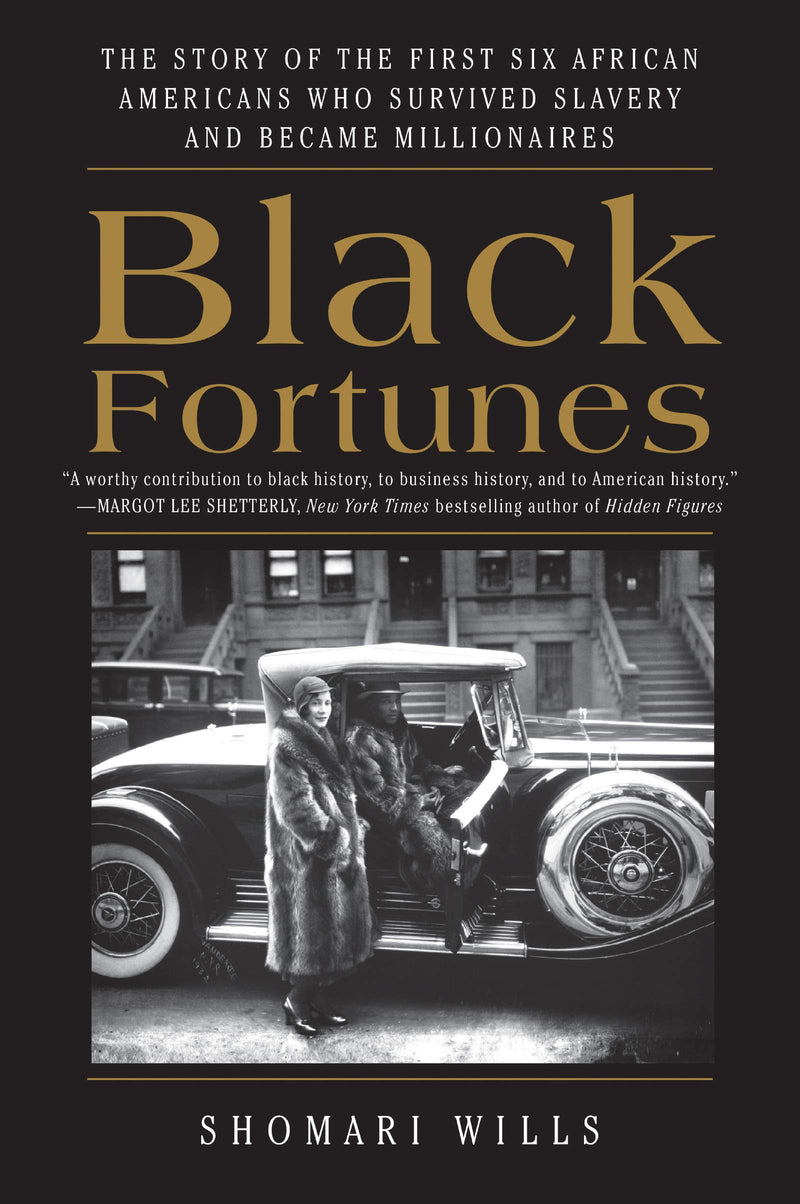
Black Fortunes: The Story of the First Six African Americans Who Survived Slavery and Became Millionaires
Paperback : 320 pages
ISBN-10 : 0062437607
ISBN-13 : 978-0062437600
$17.99
$12.59
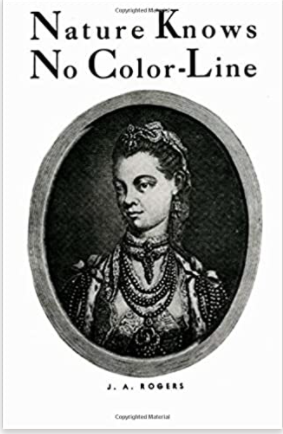
Nature Knows No Color Line
Publisher : African Tree Press (November 28, 2012)
Paperback : 250 pages
ISBN-13 : 9781592322381
$18.00
$9.95
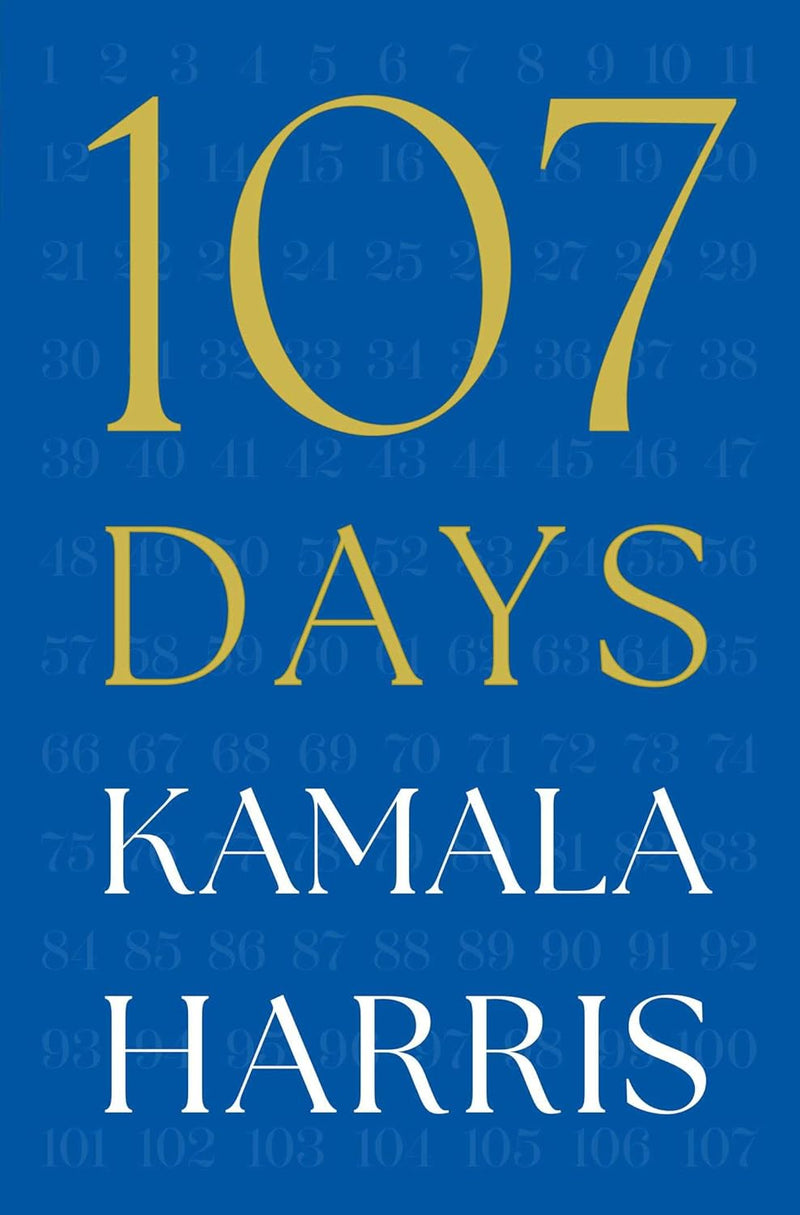
107 DAYS (HARDCOVER)
For the first time, and with surprising and revealing insights, former Vice President Kamala Harris tells the story of one of the wildest and most consequential presidential campaigns in American history.Your Secret Service code name is Pioneer.You are the first...
$30.00
$24.00
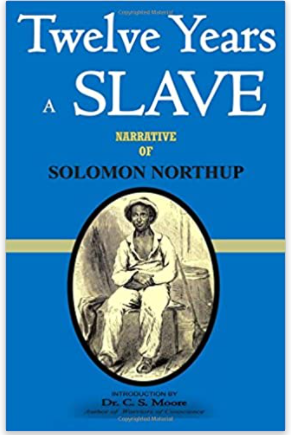
Twelve Years A Slave
Publisher : African Tree Press
Paperback : 264 pages
ISBN-13 : 9781592325900
$14.95
$9.95

Killing Rage: Ending Racism
One of our country's premier cultural and social critics, bell hooks has always maintained that eradicating racism and eradicating sexism must go hand in hand. But whereas many women have been recognized for their writing on gender politics, the female...
$24.95
$18.00
Tschabalala Self: Bodega Run
Product details
Publisher : Gregory R. Miller & Co. (March 26, 2024)
Language : English
Hardcover : 213 pages
ISBN-10 : 1941366589
ISBN-13 : 9781941366585
$65.00
THE POWER OF BROKE: HOW EMPTY POCKETS, A TIGHT BUDGET, AND A HUNGER FOR SUCCESS CAN BECOME YOUR GREATEST COMPETITIVE ADVANTAGE
Daymond John has been practicing the power of broke ever since he started selling his home-sewn t-shirts on the streets of Queens. With a $40 budget, Daymond had to strategize out-of-the-box ways to promote his products. Luckily, desperation breeds innovation,...
$18.00
$14.00