


Hitler's Wave-Breaker Concept : An Analysis of the German End Game
By: Lunde, Henrik O.
ISBN: 9781612001616

Among the many controversies of World War II, prominent is the debate over Germany’s strategy in the north of the Soviet Union, as the tide of war turned, and gigantic Russian armies began to close in on Berlin. In this long-awaited work, Henrik Lunde—former U.S. Special Forces officer and author of renowned previous works on the campaigns in Norway and Finland—turns his sights to the withdrawal of Army Group North.
Providing cool-headed analysis to the problem, the author first acknowledges that Hitler—often accused of holding onto ground for the sake of it—had valid reasons in this instance to maintain control of the Baltic coast. Without it, his supply of iron ore from Sweden would have been cut off, German naval (U-boat) bases would have been compromised, and an entire simpatico area of Europe—including East Prussia—would have been forsaken. On the other hand, Germany’s maintaining control of the Baltic would have meant convenient supply for forces on the coast—or evacuation if necessary—and perhaps most important, remaining German defensive pockets behind the Soviets’ main drive to Europe would tie down disproportionate offensive forces. Stalwart German forces remaining on the coast and on their flank could break the Soviet tidal wave.
However, unlike during today’s military planning, the German high command, in a situation that changed by the month, had to make quick decisions and gamble, with the fate of hundreds of thousands of troops and the entire nation at stake on quickly decided throws of their dice.
As Henrik Lunde carefully details in this work, Hitler guessed wrong. By leaving four entire battle-hardened armies in isolation along the Baltic, the Soviets pulling up to the Oder River encountered weaker opposition than they had a right to expect. Having economic (or aid) resources of their own, they cared little for Hitler’s own supply line and instead simply lunged at his center of power: Berlin. Once that was taken the remaining German pockets could be wiped out. The Germans deprived themselves of many of their strongest forces when they most needed them, and the climactic battle for their capital took place.
In this book, both combats and strategy are described in the final stages of the fighting in the Northern Theater, with Lunde’s even-handed analysis of the campaign a reward to every student of World War II.
Table of Contents
Preface And Acknowledgments
Introduction
Chapter 1. Hitler’s Strategic Thinking
Chapter 2. Barbarossa’s Planning And Execution— Signs Of Trouble
Chapter 3. Army Group North’s Years Of Hope And Frustration
Chapter 4. The Retreat Begins And Finland Opts For Peace
Chapter 5. Summer Of Disasters
Chapter 6. Army Group North Trapped
Chapter 7. Sweden And Germany
Chapter 8. New German Submarines And Their Training Areas
Chapter 9. Overview Of The Soviet Winter Offensive
Chapter 10. The Fate Of The Enclaves
Conclusion
Appendix
Bibliography
Index
Providing cool-headed analysis to the problem, the author first acknowledges that Hitler—often accused of holding onto ground for the sake of it—had valid reasons in this instance to maintain control of the Baltic coast. Without it, his supply of iron ore from Sweden would have been cut off, German naval (U-boat) bases would have been compromised, and an entire simpatico area of Europe—including East Prussia—would have been forsaken. On the other hand, Germany’s maintaining control of the Baltic would have meant convenient supply for forces on the coast—or evacuation if necessary—and perhaps most important, remaining German defensive pockets behind the Soviets’ main drive to Europe would tie down disproportionate offensive forces. Stalwart German forces remaining on the coast and on their flank could break the Soviet tidal wave.
However, unlike during today’s military planning, the German high command, in a situation that changed by the month, had to make quick decisions and gamble, with the fate of hundreds of thousands of troops and the entire nation at stake on quickly decided throws of their dice.
As Henrik Lunde carefully details in this work, Hitler guessed wrong. By leaving four entire battle-hardened armies in isolation along the Baltic, the Soviets pulling up to the Oder River encountered weaker opposition than they had a right to expect. Having economic (or aid) resources of their own, they cared little for Hitler’s own supply line and instead simply lunged at his center of power: Berlin. Once that was taken the remaining German pockets could be wiped out. The Germans deprived themselves of many of their strongest forces when they most needed them, and the climactic battle for their capital took place.
In this book, both combats and strategy are described in the final stages of the fighting in the Northern Theater, with Lunde’s even-handed analysis of the campaign a reward to every student of World War II.
Table of Contents
Preface And Acknowledgments
Introduction
Chapter 1. Hitler’s Strategic Thinking
Chapter 2. Barbarossa’s Planning And Execution— Signs Of Trouble
Chapter 3. Army Group North’s Years Of Hope And Frustration
Chapter 4. The Retreat Begins And Finland Opts For Peace
Chapter 5. Summer Of Disasters
Chapter 6. Army Group North Trapped
Chapter 7. Sweden And Germany
Chapter 8. New German Submarines And Their Training Areas
Chapter 9. Overview Of The Soviet Winter Offensive
Chapter 10. The Fate Of The Enclaves
Conclusion
Appendix
Bibliography
Index
Related Products
GOLDEN AGE OF THE MOOR BY IVAN VAN SERTIMA AND RUNOKO RASHIDI
UNITED BLACK LIBRARY EDITIONSISBN: 9781943138494PAPERBACK: 480 PAGES
$24.95
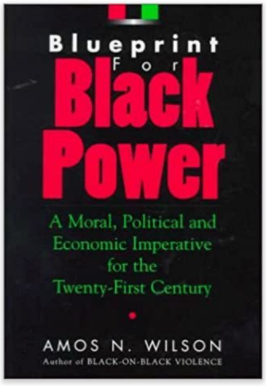
Blueprint for Black Power: A Moral, Political, and Economic Imperative for the Twenty-First Century / Paperback
Paperback: 889 pages / paperback
ISBN-13: 9781879164079
ISBN: 1879164078
$52.00
$38.00
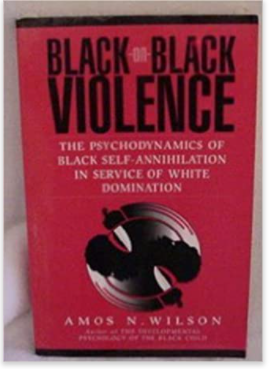
Black-On-Black Violence: The Psychodynamics of Black Self-Annihilation in Service of White Domination
Black-on-Black Violence: The Psychodynamics of Black Self-Annihilation in Service of White Domination represents a distinct milestone in criminology and Afrikana Studies. Its explanatory perspectives on the sociopsychological and politicoeconomic causes of Black-on-Black violence are exceptionally insightful, incisive and iconoclastic. The...
$21.00
$13.00

The Willie Lynch Letter And the Making of A Slave (Paperback)
Publisher : African Tree Press
Paperback : 28 pages
ISBN-10 : 1592323065
$5.95
$3.95

THE SECRET RELATIONSHIP BETWEEN BLACKS AND JEWS VOL. 2
The Secret Relationship Between Blacks and Jews is a three-volume work of pseudo-scholarship, published by the Nation of Islam. The first volume, which was released in 1991, asserts that Jews dominated the Atlantic slave trade. The Secret Relationship has been widely criticized for being antisemitic and for failing to provide...
$48.00
$39.95
They Lived Before Adam (Prehistoric Origins of the Igbo The Never Been Ruled) Paperback
The Sensational Book of the Century... They Lived Before Adam delves deep into the valleys of time and showcases the history of the Igbo people Nigeria who have Never been ruled. **Please note: This is an import book and...
$120.00
$74.95

Understanding Black Adolescent Male Violence: Its Remediation and Prevention
Paperback: 92 pages
ISBN-13: 9781879164031
$16.00
$10.00

THEY CAME BEFORE COLUMBUS, AFRICAN PRESENCE IN THE AMERICAS
Publisher : Random House Trade Paperbacks; Reprint edition
September 23, 2003
Paperback : 336 pages
ISBN-13 : 9780812968170
$23.00
$16.00