




Sale

The Battle of El Alamein: How Rommel and Montgomery Fought for North Africa and Turned the Tide of World War II
By: Eva Myers
ISBN: 9798181692305

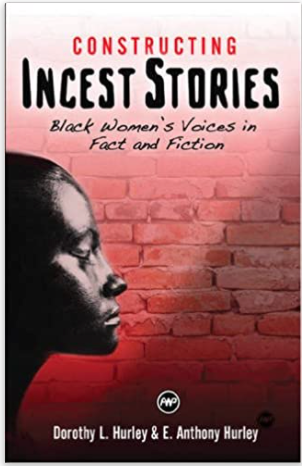
CONSTRUCTING INCEST STORIES: Black Women's Voices in Fact and Fiction
Publisher : Africa World Press, Inc.
Paperback : 186 pages
ISBN-10 : 1592217117
$24.95
$21.00
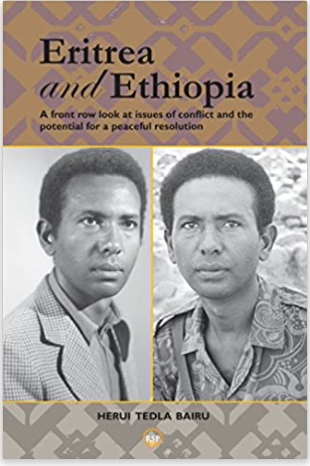
ERITREA AND ETHIOPIA: A Front Row Look at Issues of Conflict and the Potential for a Peaceful Resolution
Publisher : Red Sea Press,U.S.; First edition (July 25, 2015)
Paperback : 318 pages
ISBN-10 : 1569024308
$34.95
$27.96
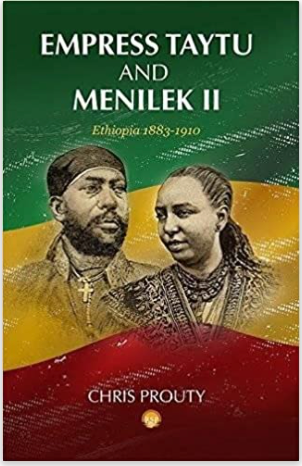
EMPRESS TAYTU AND MENELIK II: Ethiopia 1883-1910
Publisher : Red Sea Press; second edition (November 10, 2016)
Paperback : 430 pages
ISBN-10 : 0932415113
$34.95
$27.96
CHANGING HORIZONS OF AFRICAN HISTORY
Publisher : Africa World Press; First edition (November 1, 2016)
Paperback : 324 pages
ISBN-10 : 1569024987
$34.95
$24.47
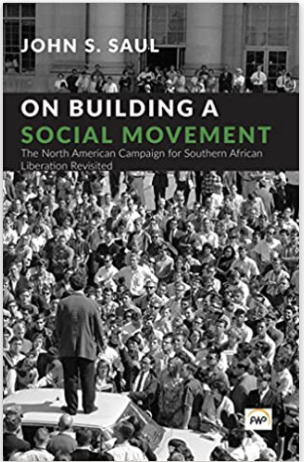
On Building A Social Movement
Publisher : Africa World Press, Inc.; First edition (December 22, 2016)
Paperback : 312 pages
ISBN-10 : 1569024618
$34.95
$24.47
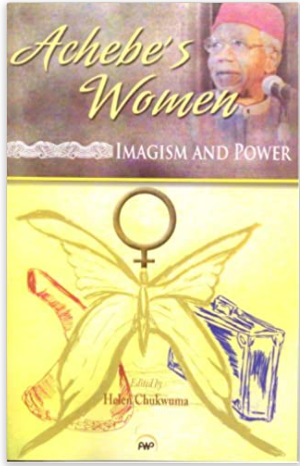
METALS IN MANDARA MOUNTAINS’ SOCIETY AND CULTURE
Publisher : Africa World Press, Inc.; First edition (May 25, 2012)
Perfect Paperback : 370 pages
ISBN-10 : 1592218903
$39.95
$27.97
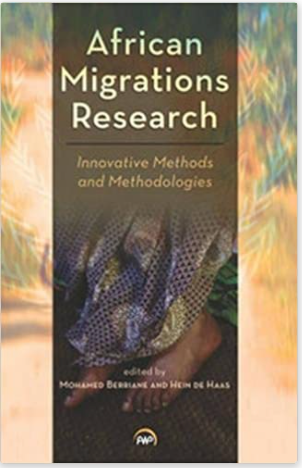
AFRICAN MIGRATIONS RESEARCH Innovative Methods and Methodologies
Paperback : 272 pages
ISBN-10 : 1592218946
$39.95
$29.99