




“A detailed, authoritative, and expansive new study of the centerpiece of Charleston’s defensive network.” ― Pat Brennan, co-author of Gettysburg in Color
Fort Sumter. Charleston. April 1861. The start of the Civil War. The bombardment and surrender of Sumter were only the beginning of the story. Both sides understood the military significance of the fort and the busy seaport, which played host to one of the longest and most complicated and fascinating campaigns of the entire Civil War. Richard Hatcher’s Thunder in the Harbor: Fort Sumter and the Civil War is the first modern study to document the fort from its origins, through the war, and up to its transfer to the National Park Service in 1948.
After its surrender, Southern troops immediately occupied and improved Sumter’s defenses. The U.S. blockaded Charleston Harbor and for two years the fort, with its 84 heavy guns and a 500-man garrison, remained mostly untested. That changed in July 1863 when a powerful combined operation set its sights on the fort, Charleston, and its outer defenses. The result was a grueling 22-month land and sea siege—the longest of the Civil War. The complex effort included ironclad attacks, land assaults, raiding parties, and siege operations. Some of the war’s most famous events unfolded there, including the assault against Battery Wagner, led by the 54th Massachusetts Infantry Regiment (depicted in the movie Glory), the shelling of the city by the “Swamp Angel,” and the beginning of submarine warfare when the H. L. Hunley sank the USS Housatonic and was herself lost at sea. The destruction of Fort Sumter remained a key Federal objective throughout the siege. Despite repeated concentrated bombardments of the fort and the city, Sumter never fell.
The defiant fort, Charleston, and its defensive lines were evacuated in February 1865 once word arrived that Maj. Gen. William T. Sherman approached Columbia, South Carolina. Hatcher, the former historian at Fort Sumter Fort Moultrie National Historical Park, mined a host of primary sources to produce an in-depth and fascinating account of the intricacies, complexities, and importance of this campaign to the overall war effort.
Nearly 18 months of shelling had rendered Fort Sumter almost unrecognizable, but the significance of its location remained. During the eight decades that followed, the United States invested millions of dollars and thousands of hours rebuilding and rearming the fort to face potential foreign threats in three different wars. By the end of World War II, sea and air power had made Sumter obsolete, and the fort was transferred to the National Park Service.
Thunder in the Harbor fills a large gap in the historiography and underscores that there is still much to learn about our endlessly fascinating Civil War.
Related Products
GOLDEN AGE OF THE MOOR BY IVAN VAN SERTIMA AND RUNOKO RASHIDI
UNITED BLACK LIBRARY EDITIONSISBN: 9781943138494PAPERBACK: 480 PAGES
$24.95
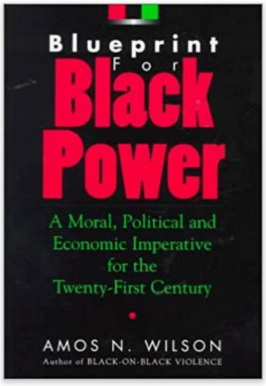
Blueprint for Black Power: A Moral, Political, and Economic Imperative for the Twenty-First Century / Paperback
Paperback: 889 pages / paperback
ISBN-13: 9781879164079
ISBN: 1879164078
$52.00
$38.00

Black-On-Black Violence: The Psychodynamics of Black Self-Annihilation in Service of White Domination
Black-on-Black Violence: The Psychodynamics of Black Self-Annihilation in Service of White Domination represents a distinct milestone in criminology and Afrikana Studies. Its explanatory perspectives on the sociopsychological and politicoeconomic causes of Black-on-Black violence are exceptionally insightful, incisive and iconoclastic. The...
$21.00
$13.00
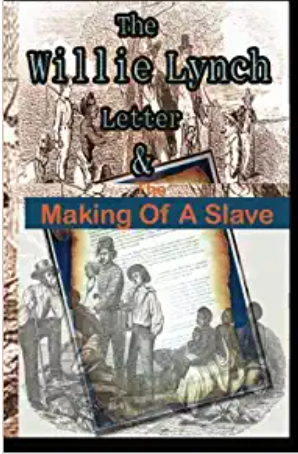
The Willie Lynch Letter And the Making of A Slave (Paperback)
Publisher : African Tree Press
Paperback : 28 pages
ISBN-10 : 1592323065
$5.95
$3.95
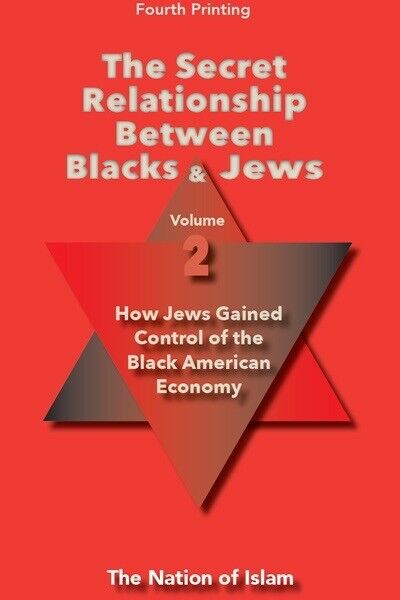
THE SECRET RELATIONSHIP BETWEEN BLACKS AND JEWS VOL. 2
The Secret Relationship Between Blacks and Jews is a three-volume work of pseudo-scholarship, published by the Nation of Islam. The first volume, which was released in 1991, asserts that Jews dominated the Atlantic slave trade. The Secret Relationship has been widely criticized for being antisemitic and for failing to provide...
$48.00
$39.95
They Lived Before Adam (Prehistoric Origins of the Igbo The Never Been Ruled) Paperback
The Sensational Book of the Century... They Lived Before Adam delves deep into the valleys of time and showcases the history of the Igbo people Nigeria who have Never been ruled. **Please note: This is an import book and...
$120.00
$74.95
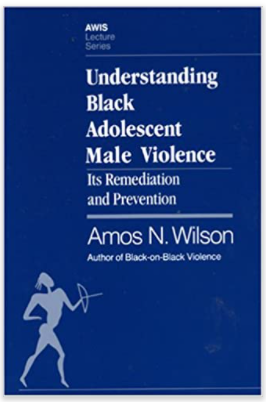
Understanding Black Adolescent Male Violence: Its Remediation and Prevention
Paperback: 92 pages
ISBN-13: 9781879164031
$16.00
$10.00
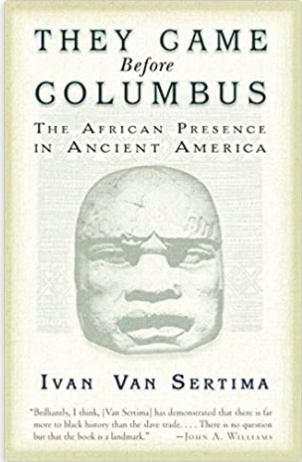
THEY CAME BEFORE COLUMBUS, AFRICAN PRESENCE IN THE AMERICAS
Publisher : Random House Trade Paperbacks; Reprint edition
September 23, 2003
Paperback : 336 pages
ISBN-13 : 9780812968170
$23.00
$16.00