


An innovative examination of typography as a medium of communication rather than part of print or digital media.
Typography is everywhere and yet widely unnoticed. When we read type, we fail to see type. In this book, Kate Brideau considers typography not as part of "print media" or "digital media" but as a medium of communication itself, able to transcend the life and death of particular technologies. Examining the contradiction between typographic form (often overlooked) and function (often overpowering), Brideau argues that typography is made up not of letters but of shapes, and that shape is existentially and technologically central to the typographic medium.
After considering what constitutes typographic form, Brideau turns to typographic function and how it relates to form. Examining typography's role in both the neurological and psychological aspects of reading, she argues that typography's functions exceed reading; typographic forms communicate, but that communication is not limited to the content they carry. To understand to what extent the design and operations of the typographic medium affect the way we perceive information, Brideau warns, we must understand the medium's own operational logic, embodied in the full diversity of typographic forms.
Brideau discusses a range of topics--from intellectual property protection for typefaces to Renaissance and Enlightenment ideal letterforms--and draws on a wide variety of theoretical work, including phenomenological ideas about comprehension, German media archaeology, and the media and communication theories of Vilém Flusser and others. Hand-drawn illustrations of typographic forms accompany the text.
Typography is everywhere and yet widely unnoticed. When we read type, we fail to see type. In this book, Kate Brideau considers typography not as part of "print media" or "digital media" but as a medium of communication itself, able to transcend the life and death of particular technologies. Examining the contradiction between typographic form (often overlooked) and function (often overpowering), Brideau argues that typography is made up not of letters but of shapes, and that shape is existentially and technologically central to the typographic medium.
After considering what constitutes typographic form, Brideau turns to typographic function and how it relates to form. Examining typography's role in both the neurological and psychological aspects of reading, she argues that typography's functions exceed reading; typographic forms communicate, but that communication is not limited to the content they carry. To understand to what extent the design and operations of the typographic medium affect the way we perceive information, Brideau warns, we must understand the medium's own operational logic, embodied in the full diversity of typographic forms.
Brideau discusses a range of topics--from intellectual property protection for typefaces to Renaissance and Enlightenment ideal letterforms--and draws on a wide variety of theoretical work, including phenomenological ideas about comprehension, German media archaeology, and the media and communication theories of Vilém Flusser and others. Hand-drawn illustrations of typographic forms accompany the text.
Related Products
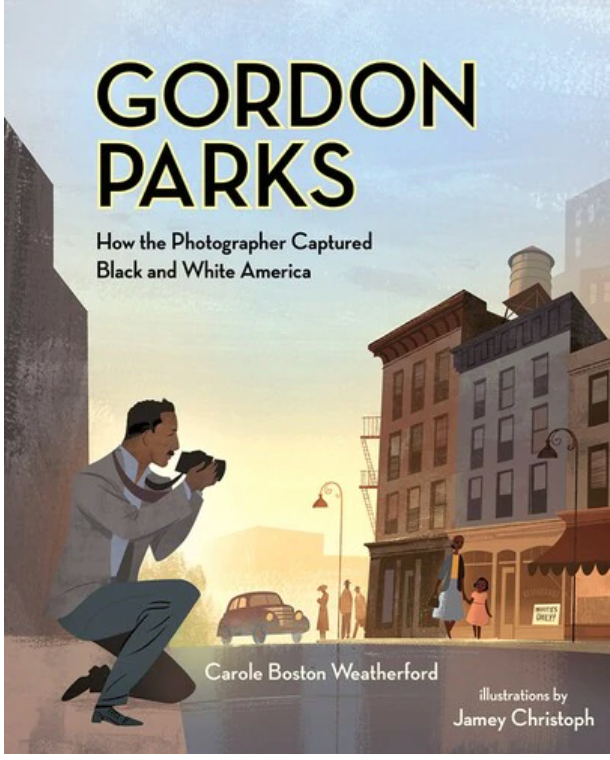
GORDON PARKS: HOW THE PHOTOGRAPHER CAPTURED BLACK AND WHITE AMERICA
His white teacher tells her all-black class, You'll all wind up porters and waiters. What did she know? Gordon Parks is most famous for being the first black director in Hollywood. But before he made movies and wrote books, he...
$20.00
$16.00
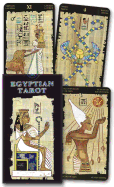
Egyptian Tarot Deck (Lo Scarabeo Decks)
Amazingly detailed and gracefully beautiful, Alasia''s tempera-on-papyrus paintings meld the stunning style of ancient Egyptian art with the mysteries of the Tarot. To shape the interpretations, Alasia relied on the conceptions of Jean-Baptiste Pitois, who linked the Tarot tradition to...
$25.00
Ethiopia: A Photographic Tribute to East Africa's Diverse Cultures & Traditions (Art Photography, Books about Africa)
Publisher : Earth Aware Editions (Dec 20 2022)Language : EnglishHardcover : 368 pagesISBN-10 : 1647227356ISBN-13 : 978-1647227357
$95.00
William Glackens
The life and work of one of the most admired American Impressionists are fully detailed in the first major monograph on the artist. William Glackens was one of the most influential American painters in the first decades of the twentieth...
$85.00
$59.95
Wilderness America: A Visual Journey
Explore the wilds of America through the lens of one of the country's most famous photographers.The American wilderness is rugged, beautiful and, above all, diverse. In Wilderness America: A Visual Journey, acclaimed photographer Tim Fitzharris shares his most arresting shots...
$39.95
$27.95
Why bees do not see red and we sometimes feel blue: 150 Facts About Colours
“Interesting…useful for photographers as a reference book.” ―Amateur Photographer ?Has pink always been feminine and blue a man’s colour? Why are we green with envy? Which colour is most expensive and who is the Goddess of Turquoise? Looking for answers,...
$45.00
$31.95
White Sight: Visual Politics and Practices of Whiteness
From the author of How to See the World comes a new history of white supremacist ways of seeing—and a strategy for dismantling them.White supremacy is not only perpetuated by laws and police but also by visual culture and distinctive ways of...
$29.95
$20.95